

Introduction
Denim is more than just a fabric; it is a symbol of fashion, culture, and innovation. From its roots as sturdy workwear to its current status as a global fashion staple, denim has undergone significant transformations over the years. While traditional denim styles such as rigid and raw fabrics still hold their ground, the modern denim industry is being shaped by emerging trends that respond to shifting consumer demands, technological advancements, and sustainability concerns.
The Evolution of Denim Types
Denim has come a long way since its introduction in the 19th century. Initially designed as durable workwear, the fabric evolved with cultural shifts, technological advancements, and changes in consumer preferences. Today, denim is used in a variety of ways — from high-end fashion collections to everyday wear and sustainable fashion choices.
- From Classic to Modern Denim
Traditional denim was made from 100% cotton, often in rigid or raw forms. Rigid denim is stiff, durable, and requires significant breaking-in, while raw denim is untreated, giving it a unique look as it ages. These classic types are still popular for their authenticity and vintage appeal. However, the demand for comfort and versatility has led to the creation of new denim types that incorporate stretch fibers, are easier to care for, and offer innovative finishes.

- Technological Influence
Technology has revolutionized denim production in recent years. The introduction of stretch fabrics, such as denim blended with elastane or Lycra, provided increased comfort and flexibility. Additionally, eco-friendly production methods, waterless dyeing technologies, and innovations in fiber blends (such as hemp or recycled cotton) have expanded the possibilities for denim design.
- Cultural Shifts
Denim has always been influenced by cultural movements, whether it was the rebellious spirit of the 1960s or the clean, polished look of the 1990s. Today, denim types reflect societal demands for sustainability, comfort, and versatility. As consumers become more environmentally conscious, there is a greater focus on eco-friendly denim types and the adoption of innovative production techniques.
Current Denim Type Trends
The denim industry is currently seeing a variety of trends that cater to both the fashion-forward and those seeking comfort or sustainability. Here are some of the most important denim trends currently shaping the market:
Sustainable Denim
Sustainability is one of the strongest forces driving change in the denim industry. As consumers become more environmentally conscious, brands are responding by incorporating eco-friendly materials and production processes.
- Recycled Denim: Denim made from post-consumer waste or recycled fibers is growing in popularity. Brands like Levi’s and Wrangler are leading the charge with collections made from recycled cotton or even recycled plastic bottles.
- Organic Cotton:Organic cotton, grown without the use of pesticides, is another growing trend in sustainable denim. This type of denim is produced with less water and chemicals, making it more environmentally friendly.
Waterless Dyeing and Finishing: Traditional denim production involves a significant amount of water, particularly during the dyeing and finishing processes. Brands are increasingly adopting waterless technologies to reduce water consumption. For instance, companies like DyStar and Archroma have developed techniques that use little to no water in the dyeing process, which is a huge win for sustainability.

Practical Example: Brands like Reformation and Everlane have launched denim lines made from sustainable materials, aiming to reduce environmental footprints. These brands emphasize transparency and ethical production, showing consumers that denim can be both stylish and eco-conscious.
Stretch Denim
Stretch denim has seen an explosion in popularity, driven by its comfort and flexibility. The incorporation of elastane, spandex, or Lycra into the fabric has made denim more wearable, especially for those who seek form-fitting styles without sacrificing comfort. Stretch denim allows for greater mobility, which makes it ideal for modern lifestyles.
- Super Stretch and High-Stretch Denims:Some high-performance stretch denims can stretch up to 30-40% of their original size, providing a snug fit that molds to the body without losing shape. This trend has been especially prominent in skinny jeans and jeggings.
- Comfort Fit:In addition to body-hugging styles, stretch denim is also being used to create relaxed or comfort fits that offer flexibility without the tightness of traditional denim.
Practical Example: Wrangler and Lee have incorporated stretch elements in their classic denim offerings, giving consumers the same rugged durability with enhanced flexibility and comfort. Many fast-fashion brands have followed suit, offering stretch denim in various cuts and washes.
Vintage and Retro Denim
There has been a resurgence in vintage and retro-inspired denim, as consumers increasingly seek nostalgia and authenticity. Vintage denim often refers to styles like selvedge denim, which is made using a traditional weaving method and features clean, finished edges. Distressed denim, acid-wash, and denim jackets are also part of this revival.
- Selvedge Denim:Known for its superior quality and durability, selvedge denim is often associated with high-end or artisanal denim brands. The fabric’s signature self-finished edges make it a hallmark of authentic craftsmanship.
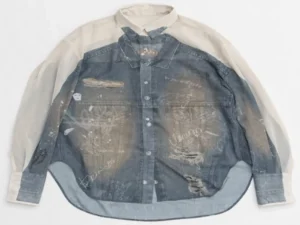
Distressed and Acid-Washed Denim: Vintage washes, fading, and distressing are making a comeback. These styles evoke the 80s and 90s aesthetic, and consumers are embracing them for their lived-in look.
Practical Example: Levi’s Vintage Clothing collection brings back classic pieces from the brand’s archives, celebrating vintage styles with a modern twist. Similarly, brands like R13 and Acne Studios have successfully tapped into the retro trend with worn-in, distressed jeans.
Tech-Enhanced Denim
As part of the ongoing innovation in denim, many brands are experimenting with “smart fabrics” to add functional features to denim. This could include moisture-wicking properties, temperature regulation, or even the integration of electronics.
- Moisture-Wicking Denim: This type of denim uses advanced fibers to wick moisture away from the body, keeping the wearer dry and comfortable, especially in warm climates.
Temperature-Regulating Denim: Smart denim fabrics that adjust to body temperature are gaining traction. These fabrics use materials like phase-change materials (PCMs) that can store and release heat to keep the wearer comfortable in varying temperatures.
Practical Example: Wrangler has collaborated with outdoor gear brands to produce denim that incorporates moisture-wicking technology, making it ideal for those who work in challenging environments. Meanwhile, Levi’s has partnered with Google to create denim jackets equipped with touch-sensitive fibers, allowing wearers to interact with their devices
Consumer Preferences and the Impact on Denim Types
Consumer behavior plays a pivotal role in shaping denim trends. The shift towards more sustainable, versatile, and comfortable fabrics is a direct response to changing consumer preferences.
- Shift Toward Comfort and Versatility
Today’s consumers are increasingly looking for denim that can transition from day to night, work to weekend, and offer all-day comfort. Stretch denim, along with looser fits and soft finishes, caters to this need. Comfort is no longer a luxury — it’s a necessity.
- The Role of Fast Fashion
Fast fashion brands continue to drive demand for affordable, trendy denim. With short production cycles and low prices, fast fashion accelerates denim trends, making it essential for manufacturers to stay ahead of the curve in terms of new fabric types and design aesthetics.
Denim for All
There is a growing demand for inclusive sizing and denim options that cater to a wide range of body types. Brands are expanding their product lines to offer plus-size denim, gender-neutral fits, and adaptive denim for those with mobility challenges.
- Denim Types for Different Applications
Denim is not just a fashion statement — it’s also a functional fabric. Different types of denim are used for various applications:
- Casual and Everyday Denim
For everyday wear, comfort and style go hand in hand. Soft, stretchy denim in a variety of cuts (from skinny jeans to boyfriend fits) is perfect for casual use.
- Workwear and Performance Denim
Durable and tough, performance denim is designed for hard-working environments. It typically features heavier weights and is reinforced for strength. Workwear denim often incorporates stretch for added comfort, as well as specialized finishes like water resistance.
- High Fashion Denim
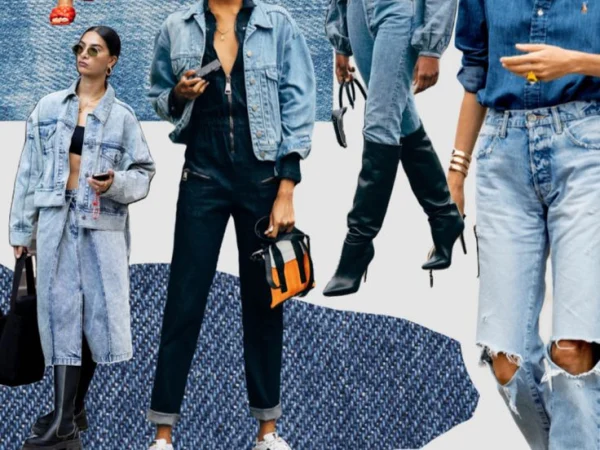
High-end designers are pushing boundaries with denim, experimenting with unconventional finishes, innovative textures, and luxurious denim fabrics. This includes treatments such as raw silk denim or velvet-touch denims, as well as designs that focus on craftsmanship and exclusivity.
- Future Directions for Denim Types
Looking ahead, the denim industry will continue to evolve with an emphasis on sustainability and technology. Expect to see:
- Advanced Sustainability Practices: The use of biodegradable denim fibers and sustainable production methods.
- Smart Denim: More brands will integrate technology into denim, from self-cleaning fibers to clothes that can monitor health metrics.
- Customization: The future will also see more options for personalized denim, from custom washes to bespoke fits.
Conclusion
Denim is no longer just a fabric; it’s a canvas for innovation. As trends shift towards sustainability, comfort, and technological enhancements, the denim industry is adapting to meet new consumer demands. By embracing these trends — from sustainable fabrics to smart textiles — denim continues to be a versatile, ever-evolving element of fashion. Whether you’re a brand looking to stay competitive or a consumer eager to explore new denim options, understanding these trends is key to navigating the future of denim.

 English
  Russian
  Spanish
  Arabic
  French
  Vietnamese