

INTERTEXTILE SHANGHAI Apparel Fabrics (Spring Edition), held from March 11–13, 2026, is one of the most influential textile exhibitions in the global apparel supply chain. For international buyers, wholesalers, garment manufacturers, and sourcing offices, this event is not just a trend showcase—it is a high-efficiency sourcing platform where real orders are negotiated.
This guide is designed to help buyers navigate INTERTEXTILE SHANGHAI strategically, avoid common mistakes, and maximize sourcing efficiency—especially when sourcing denim fabric and apparel textiles from China.
1. Why INTERTEXTILE SHANGHAI Matters for Global Fabric Buyers
Unlike many regional textile fairs, Intertextile Shanghai Apparel Fabrics operates at the core of the Asian textile manufacturing ecosystem.
Key reasons buyers attend:

- Direct access to China’s primary fabric manufacturers
- Full coverage from basic fabrics to premium & functional textiles
- Strong presence of denim, woven cotton, stretch fabrics, and sustainable materials
- High concentration of decision-makers, not just sales agents
For buyers sourcing denim fabric, INTERTEXTILE is especially valuable because it allows direct comparison of weaving quality, dye depth, hand feel, and price positioning—all within a single venue.
2. Understanding the Exhibition Layout Before You Arrive
INTERTEXTILE SHANGHAI is large, and walking in without a plan is the fastest way to waste two days.
Key zones buyers should focus on:
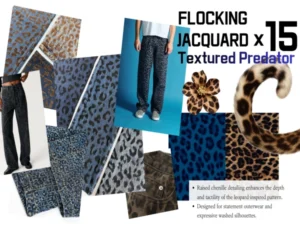
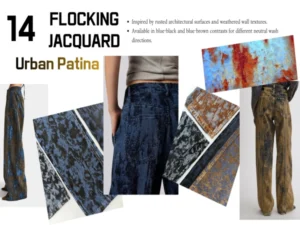
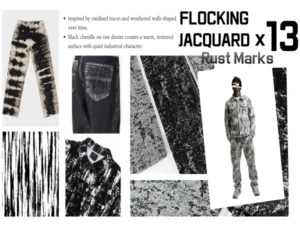
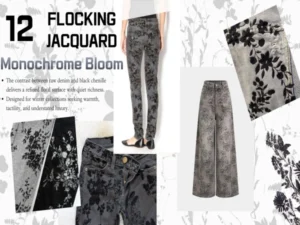
- Denim & Casual Fabric Areas – traditional indigo, stretch denim, coated denim, jacquard denim
- Functional & Innovation Zones – performance finishes, recycled yarns, blended fibers
- Sustainable Fabric Sections – certified cotton, recycled polyester, low-impact dyeing
Pro tip:
- If denim is your priority, pre-filter exhibitors by:
- Fabric weight range (e.g. 6–14 oz)
- End-use (jeans, jackets, shirts, workwear)
- MOQ flexibility
- Export experience
3. How to Prepare a Smart Sourcing Plan for INTERTEXTILE SHANGHAI
Professional buyers don’t “browse”—they source with intent.
Before attending, define:
- Target fabric categories (e.g. men’s rigid denim, women’s stretch denim)
- Acceptable price range (FOB China)
- MOQ tolerance
- Required certifications (OEKO-TEX, BCI, Organic, Recycled)
Bring:
- Reference samples or wash photos
- Technical specs (composition, weight, stretch)
- Clear indication of order volume potential
This preparation helps suppliers respond accurately and efficiently, saving both sides time.

4. What to Look for When Sourcing Denim Fabric at INTERTEXTILE
At the exhibition, many denim fabrics may look similar at first glance—but quality differences appear quickly when you know where to look.
Key evaluation points:
- Indigo penetration and color consistency
- Fabric stability after washing
- Stretch recovery (for elastane blends)
- Surface clarity and weaving density
- Batch consistency for repeat orders
Experienced buyers often ask:
- “Is this fabric available ex-stock or made-to-order?”
- “What is the real MOQ per color?”
- “Can this quality remain stable across large volumes?”
5. Working Directly with Chinese Denim Manufacturers
One major advantage of INTERTEXTILE SHANGHAI is the ability to connect directly with denim mills, not intermediaries.
Working with manufacturers allows buyers to:
- Access factory pricing
- Customize yarn, weight, and finishing
- Control delivery timelines
- Develop exclusive styles
For example, ZEVA DENIM, a China-based denim fabric manufacturer integrating R&D, production, and sales, showcases how buyers can benefit from:
- 200+ denim fabric options
- Competitive pricing
- Small MOQ for trial orders
- Fast delivery—many fabrics ready within 7 days
This type of supplier is particularly attractive for wholesalers and garment factories needing flexibility.
6.Why Buyers Choose Chinese Denim Mills in 2026: Industry Shifts Behind Sourcing Decisions
In 2026, global denim sourcing decisions are no longer driven by price alone. Buyers—from garment factories to fabric wholesalers—are increasingly choosing Chinese denim mills due to a combination of supply chain resilience, operational flexibility, and technical maturity.

Stability Matters More Than the Lowest Price
After several years of global logistics disruptions, currency volatility, and inconsistent lead times, buyers have become more risk-aware. Chinese denim mills offer:
- Stable yarn supply through long-term sourcing contracts
- Predictable production schedules
- Mature quality control systems
For buyers supplying mass markets, stability now outweighs marginal cost savings.
Faster Sampling and Shorter Decision Cycles
One major shift in 2026 is the demand for speed-to-market.
- Chinese denim manufacturers typically provide:
- Rapid sample development
- Pre-developed fabric libraries
- Ex-stock programs with immediate availability
This allows buyers to test markets quickly, reduce inventory pressure, and respond to fast-changing fashion cycles—an advantage difficult to replicate elsewhere.
MOQ Flexibility Fits Today’s Market Reality
Retail uncertainty has reshaped ordering behavior. Buyers increasingly prefer:
- Smaller trial orders
- Multiple styles with controlled risk
- Gradual scaling based on sell-through performance
Chinese denim mills have adapted by offering flexible MOQs, especially for in-stock or semi-custom denim fabrics—making them attractive to both emerging brands and regional wholesalers.
Strong Technical Capability Beyond Basic Denim
Modern denim sourcing goes beyond fabric weight and color.
- Chinese mills now compete strongly in:
- Stretch and recovery control
- Coated and jacquard denim
- Wash-effect adaptability
- Performance finishing compatibility
This technical depth allows buyers to develop differentiated products without changing suppliers, improving long-term efficiency.
Direct Mill Communication Improves Long-Term Cooperation
Another reason buyers favor Chinese denim mills is direct access to decision-makers.
- Working directly with manufacturers enables:
- Faster problem-solving
- Better cost transparency
- Customized development aligned with end markets
At sourcing platforms such as Intertextile Shanghai Apparel Fabrics, buyers can engage face-to-face with mills, accelerating trust-building and cooperation.
Industry Insight
In 2026, buyers are not simply “buying denim fabric”—they are selecting supply partners who can support growth, manage uncertainty, and deliver consistent quality over time.
This shift explains why Chinese denim mills remain a central pillar of the global denim supply chain, especially for buyers seeking reliability, flexibility, and scalable development.
7. How to Compare Suppliers Effectively During the Show
Avoid collecting hundreds of business cards with no follow-up value.
Instead:
- Shortlist 10–15 suppliers
- Collect physical fabric swatches
- Take notes on pricing, MOQ, and lead time
- Photograph booth references (with permission)
After the show, immediately:
- Request sample yardage
- Ask for technical sheets
- Confirm repeatability and color options
Speed matters—the best suppliers fill production slots quickly after INTERTEXTILE.
8. Common Mistakes Buyers Should Avoid
Many first-time attendees make the same errors:
- Focusing only on price, ignoring consistency
- Not clarifying MOQ until after sampling
- Assuming all exhibitors are factories
- Waiting too long to follow up after the show
INTERTEXTILE rewards decisive and prepared buyers.
9. Turning INTERTEXTILE Contacts into Long-Term Supply Partners
The exhibition is only the starting point.
Successful buyers:
- Maintain regular communication
- Place small test orders first
- Evaluate after-wash performance
- Build seasonal development plans
Long-term partnerships reduce risk, improve cost control, and ensure stable fabric supply—especially critical in volatile global markets.
Conclusion: Making INTERTEXTILE SHANGHAI 2026 Work for You
INTERTEXTILE SHANGHAI 2026 is not just another textile exhibition—it is a strategic sourcing opportunity.
For buyers seeking reliable denim fabric suppliers, innovative textiles, and scalable production partners, proper preparation and clear sourcing goals will determine success.
Approached correctly, the exhibition can become the foundation for years of stable, profitable cooperation with China’s leading fabric manufacturers.
Related Links
- How to Join Textile Exhibitions Efficiently for Buyers: A Comprehensive Guide to Maximizing Opportunities and Returns.
- How to confirm what kind of denim fabric u need?
 English
  Russian
  Spanish
  Arabic
  French
  Vietnamese