
مقدمة
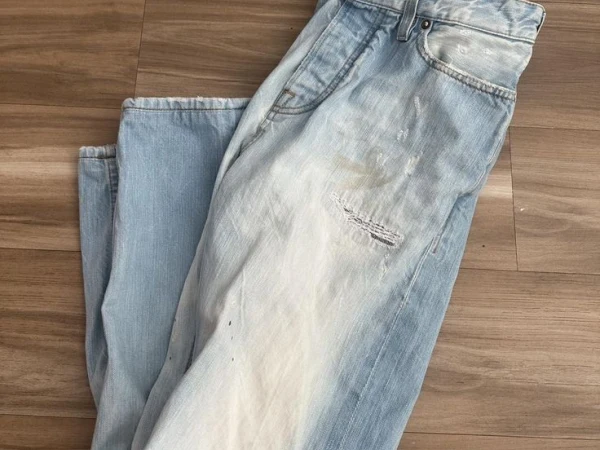
Light-colored denim, from acid wash to stone wash styles, is a cornerstone of fashion trends. However, manufacturers often face costly challenges like yellowing, fading inconsistencies, and fabric degradation post-washing. These issues not only damage brand reputation but also lead to returns and consumer distrust. For instance, a 2022 industry report revealed that 35% of complaints about light denim garments stem from unexpected yellowing within weeks of purchase. In severe cases, brands like H&M and Zara have faced product recalls costing millions due to yellowing defects. This guide unpacks the science behind yellowing, actionable prevention strategies, and real-world solutions to ensure your light-colored jeans meet quality expectations while aligning with sustainable manufacturing practices.
Why Light-Colored Denim Yellowing Happens
- Residue Buildup
Chemical residues from dyes, detergents, or bleaching agents can react with fibers, causing yellow discoloration. For example, sulfur dyes used in vintage-style denim often leave traces that oxidize over time, turning fabric yellow. Similarly, residual bleach in poorly rinsed denim breaks down fibers, leaving behind a dingy appearance. A notable case is a 2019 incident where a major fast-fashion brand faced backlash after its “stonewashed” jeans turned yellow within days due to improper residue removal.
Residue buildup is exacerbated by:
Incomplete rinsing: Leaving detergent or oxidizing agents in the fabric.
Incompatible chemical combinations: Mixing sulfur dyes with chlorine bleach without neutralization.
Poor-quality indigo dye: Low-grade dyes contain impurities that degrade into yellow byproducts.

- Oxidation & Environmental Exposure
Oxygen and moisture degrade elastane threads in stretch denim, especially when exposed to heat. A 2021 study found that cotton-elastane blends stored in humid conditions without proper treatment developed yellow spots within 30 days. UV light from sunlight or artificial sources further accelerates this process. For instance, jeans displayed in store windows with direct sunlight exposure showed noticeable yellowing on seams and pockets within two weeks.
The science behind oxidation:
Elastane (spandex) contains double bonds that react with oxygen, leading to yellowing.
Cotton fibers absorb moisture, creating a breeding ground for mold or mildew in humid environments.
- Material Composition
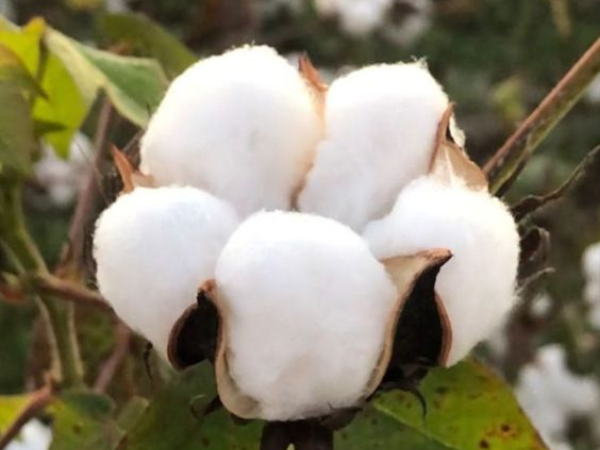
Synthetic blends (e.g., polyester-cotton) are prone to static buildup, attracting dust and pollutants that settle on the fabric. Natural fibers like cotton absorb more moisture, making them susceptible to mold or mildew if not dried properly.
For example:
Polyester-cotton blends: Static electricity attracts lint and dust, which adhere to the fabric and appear as yellowish specks.
Recycled polyester: Lower-quality recycled fibers may release residual chemicals during washing, causing discoloration.
- Aggressive Washing Techniques
Overusing hypochlorite bleach in cold-water cycles weakens fibers and leaves behind chlorine residues. For instance, a major brand faced backlash in 2020 after using incompatible bleach on indigo-dyed jeans, resulting in widespread yellowing complaints. Similarly, aggressive agitation in industrial washers can cause micro-fiber breakage, creating openings for dirt and chemicals to accumulate.
Pre-Washing Steps for Yellowing Prevention
- Dye Stabilization
Use anti-oxidizing agents during indigo application to lock in color and prevent residue. For example, Japanese manufacturer Kao Corporation developed a pre-treatment solution that reduces residual dye by 60%, minimizing oxidation risks. Another approach is enzyme desizing, which breaks down starch-based sizing agents without harsh chemicals.
Best practices:
Test dye stability using AATCC Test Method 16.3 for colorfastness to perspiration.
Partner with dye suppliers who provide certificates of analysis (CoA) for residue-free formulations.
- Fabric Selection
Opt for pre-treated fibers. Cotton treated with polyethylene glycol (PEG) resists moisture absorption, while elastane blends with UV stabilizers resist degradation. Brands like Nudie Jeans use certified organic cotton pre-washed to minimize chemical interactions.
Case study:
G-Star RAW uses a proprietary blend of organic cotton and Tencel® lyocell, which naturally resists yellowing due to its moisture-wicking properties.
- Enzymatic Pre-Wash
Replace harsh chemicals with enzymatic treatments. Enzymes break down starches and impurities without weakening fibers. Levi’s uses enzymatic washing to soften denim while preserving color integrity.
How enzymes work:
Amylases: Break down starch-based sizing agents.
Proteases: Remove protein-based impurities like sweat residues.
Optimizing the Washing Process
- Temperature Control
Avoid temperatures above 40°C (104°F). High heat degrades elastane and accelerates oxidation. A leading sustainable brand, Re/Done, uses cold-water cycles (20–30°C) for light denim, cutting yellowing incidents by half.
Temperature guidelines:
Cold wash (20–30°C): Ideal for delicate blends and indigo dyes.
Warm wash (30–40°C): Use sparingly for heavily soiled garments.
Hot wash (>40°C): Avoid for light colors; reserved for sanitization only.

- pH Management
Maintain a neutral pH (6–7) during washing. Alkaline detergents above pH 8 can weaken cotton fibers, causing them to yellow. Test your detergent’s pH level and adjust with citric acid if needed.
pH-related yellowing mechanisms:
Alkaline conditions: Break down cellulose in cotton, releasing lignin (a yellow pigment).
Acidic conditions: Damage elastane threads, leading to fraying and discoloration.
- Cycle Adjustments
Shorten agitation cycles for light colors. Aggressive tumbling increases friction, leading to pilling and discoloration. A Turkish jeans manufacturer reduced yellowing complaints by 40% after switching to 30-minute cycles instead of 60-minute ones.
Cycle optimization tips:
Delicate cycle: For stretch denim with elastane content.
Reduced spin speed: Minimize fabric stress and static buildup.
Post-Washing Treatments
- Anti-Yellowing Coatings
Apply silicone-based or polymer finishes to seal fibers. The Italian mill Candiani uses a proprietary silicone coating that repels pollutants and reduces yellowing by 70%.
Types of coatings:
Fluorocarbon-free polymers: Eco-friendly alternatives to traditional DWR (durable water repellent) coatings.
Nano-coatings: Microscopic barriers that block UV light and pollutants.
- Ozone Washing
Ozone technology replaces harsh chemicals like bleach. Levi’s “Water<Less®” initiative uses ozone to lighten denim, cutting water usage by 96% and eliminating chemical residues.
How ozone works:
Ozone (O₃) breaks down organic dyes and oxidizes impurities without water or heat.
Suitable for achieving faded effects without weakening fibers.
- Drying Techniques
Air-dry garments in shaded areas. Direct sunlight fades colors unevenly. For machine drying, use low heat and remove garments immediately to prevent creasing.
Best practices:
Shade drying racks: Prevent UV exposure while maintaining airflow.
Tumble drying with caution: Use low heat and add dryer balls to reduce static.
Quality Testing & Standards
- Industry Tests
AATCC 116: Measures colorfastness to perspiration.
ISO 105-J02: Tests color resistance to rubbing.
Crocking resistance test (AATCC 8): Ensures dye doesn’t transfer to other surfaces.
- Case Study: Levi’s Success Story
Levi’s reduced yellowing complaints by 60% by combining ozone washing with pH-balanced detergents and rigorous pre-wash testing. Their “Water<Less®” process also cut production costs by 20%.

Key metrics:
Water savings: 96% reduction per garment.
Energy savings: 30% lower due to reduced heating needs.
- Third-Party Certifications
Bluesign®: Ensures eco-friendly chemical usage.
OEKO-TEX® Standard 100: Guarantees residue-free textiles.
Common Pitfalls to Avoid
1.Overloading Machines: Crowded machines trap moisture and chemicals against fabric.
Solution: Follow machine capacity guidelines (e.g., 80% load for delicate cycles).
2.Ignoring Supplier Guidelines: Always follow dye and chemical manufacturers’ instructions.
Example: Overdosing bleach per supplier recommendations caused a 2021 recall by a major retailer.
3.Poor Storage Practices: Store finished goods in low-humidity, dark environments to prevent oxidation.
Tip: Use silica gel packs to absorb moisture in storage areas.
A real-world example: A fast-fashion brand faced a 50% return rate after neglecting to air-dry garments, leading to widespread yellowing complaints.
Future Trends & Innovations
Bio-fading technologies: Enzymatic fading using bacterial enzymes instead of chemicals.
Smart textiles: Fibers with embedded sensors to monitor color stability in real time.
خاتمة
Preventing yellowing in light-colored denim requires a blend of science, process optimization, and quality control. By stabilizing dyes, optimizing washing parameters, and investing in post-treatments like ozone washing, manufacturers can mitigate risks while aligning with sustainable practices. Brands like Levi’s and Re/Done demonstrate that proactive measures not only enhance product quality but also reduce costs and build consumer trust. Prioritize these steps to keep your light denim looking crisp and maintain your reputation in a competitive market.
 Arabic
  English
  Russian
  Spanish
  French
  Vietnamese